


Have you ever walked out of the movie theater and thought to yourself, “That was not what I was expecting…”? You may be surprised to learn that major movie studios were not only counting on your misinterpretation, they likely orchestrated it.
In recent years, movie studios have been cutting together trailers for their blockbuster movies that intentionally attract certain audiences to key aspects of the film while sometimes leaving out the true nature of the movie. For example, last year I walked into the movie “Wonka” not expecting a musical. I wasn’t expecting a musical because, simply enough, nobody told me it was a musical – not even the trailer. I had seen trailers that showed many exciting features of the film, but gave almost zero indication that there would be singing and musical elements.
This was an intentional tactic by the movie studio because they had a hunch about something I can confirm to be true: I wouldn’t have gone to see the movie at all had I known it was a musical.
This wasn’t done to trick me or upset me; it was done because the studio thought that I’d like the movie anyway. Maybe not because of the musical elements, but rather something else, like the lead actor’s performance, the set decoration or the upbeat positive themes. And truthfully, they were right. I did like those things. The studio wanted me to enjoy those aspects (more importantly, they wanted me to pay them money to enjoy those aspects), and they didn’t want to lose a customer just because I’m usually intent on skipping musicals.
This happens all the time. Last summer, two other musical blockbusters hid their true selves in several versions of their trailers: Mean Girls and The Color Purple. Studios have taken note of the fact that modern-day movie trailers draw insanely high visibility and scrutiny, and rather than view this as an issue, they see it as an opportunity to draw in new audiences.
Paramount Pictures cut together several trailers for Mean Girls (2024) that emphasized comedy or bold lead actress performances, drawing in the type of viewer that may not have been interested in the musical elements so prominent in the full-length feature. This raises a good question, though: If studios want to market to an audience who may not enjoy musicals, why make the movie a musical in the first place? The answer is because they’ve created a film they believe caters to more than just one type of audience. Comedy, music, drama and more can all be bundled into one big movie that appeals to a vast variety of audiences. Somebody who doesn’t usually love musicals may watch Mean Girls and find out that, as expected, the comedic elements met their expectations, but surprise! They had no idea a musical movie could be so fun.
How can this approach be utilized elsewhere? As marketers, we face a recurring challenge: we’re confident our product or service will benefit the target audience, but they don’t quite think that themselves yet… How can you convince your audience to show up to the musical? The way we position our offering is clearly a crucial component to getting our audiences to convert, learn that they love our product and become lifelong customers.
In consumer marketing, just like with movie trailers, using a varied approach to shaping creative is an effective way to personalize content that draws in niche audiences. And it’s a lot more common than you may think. Think about the paid social clothing ads you encounter every week. The brand will likely make sure to showcase the products that specifically apply to your gender, age and style preferences. That’s a simplified approach: obviously, Gap doesn’t want to show me, an adult male, their latest tween girl back-to-school line. However, they may know that I like simple blue jeans and polo shirts, and seeing an ad about those items can propel me to visit the online shop where I’ll scroll a bit and learn that maybe I’m interested in something a little edgier this year. Next thing you know, I’m showing up to work wearing a pink hoodie.
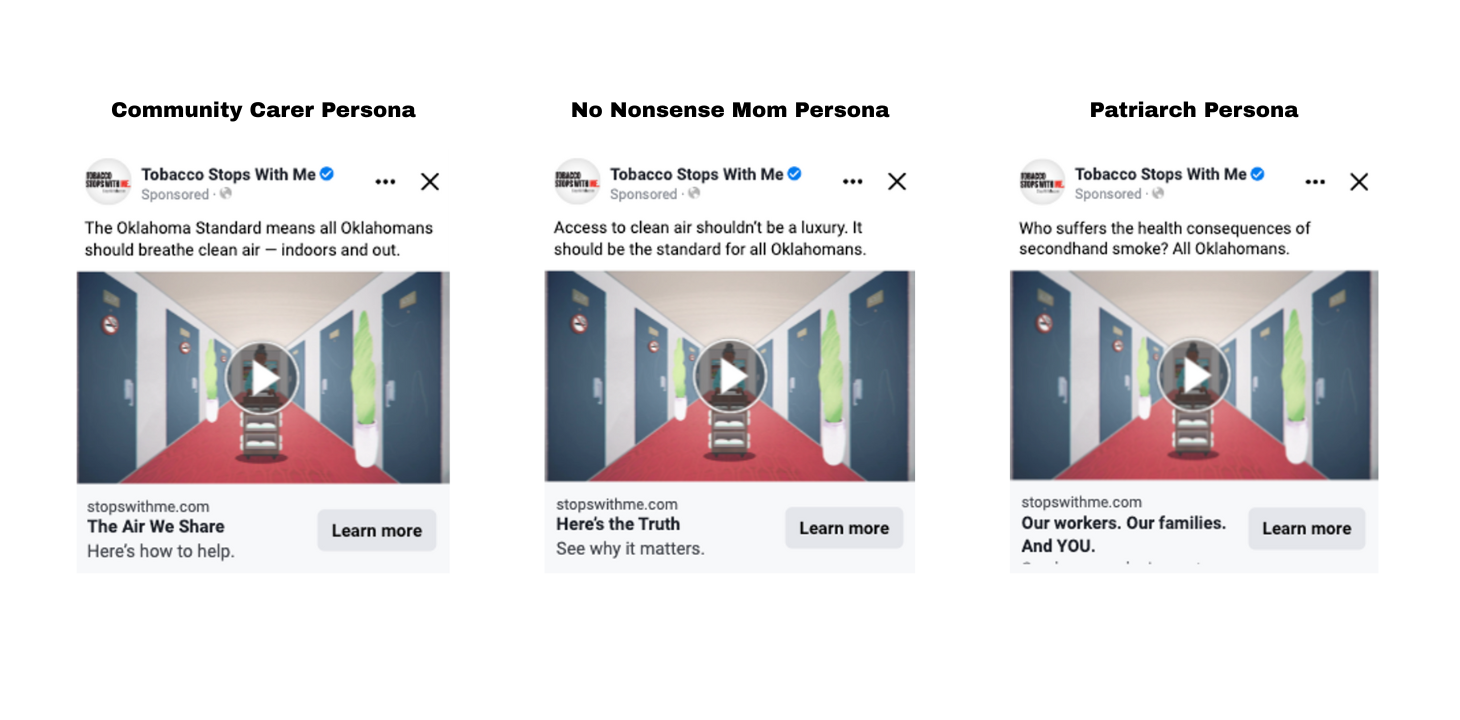
Deploying multiple campaigns with varied target audiences designed to promote only the most relevant products is a good way to nail this approach. One set of creative for audience A and their known preferences, another for audience B and so on. Take these website click ads we ran recently for a longtime client of ours. We’ve developed personas for this brand based on years of insights about the audience members and their habits, communication styles and emotional drivers. To capitalize on this, we varied copy across three different ad sets in order to draw in the different audience segments. All three delivered users to the same landing page, where we knew the offering would be universally appealing. But in-platform, we made sure to tailor copy to draw in each of the three personas. And it worked. Offering creative that specifically appealed to smaller portions of our audience drew in more conversions than what we had tried previously, which was a one-size-fits-all approach with a single creative option attempting to cater to the entire audience.
If your brand hasn’t quite figured out yet what will draw your niche audiences in, A/B testing may be a good option. This is an inexpensive way to deploy varied creative and either hit your audience spot on or learn about why you didn’t.
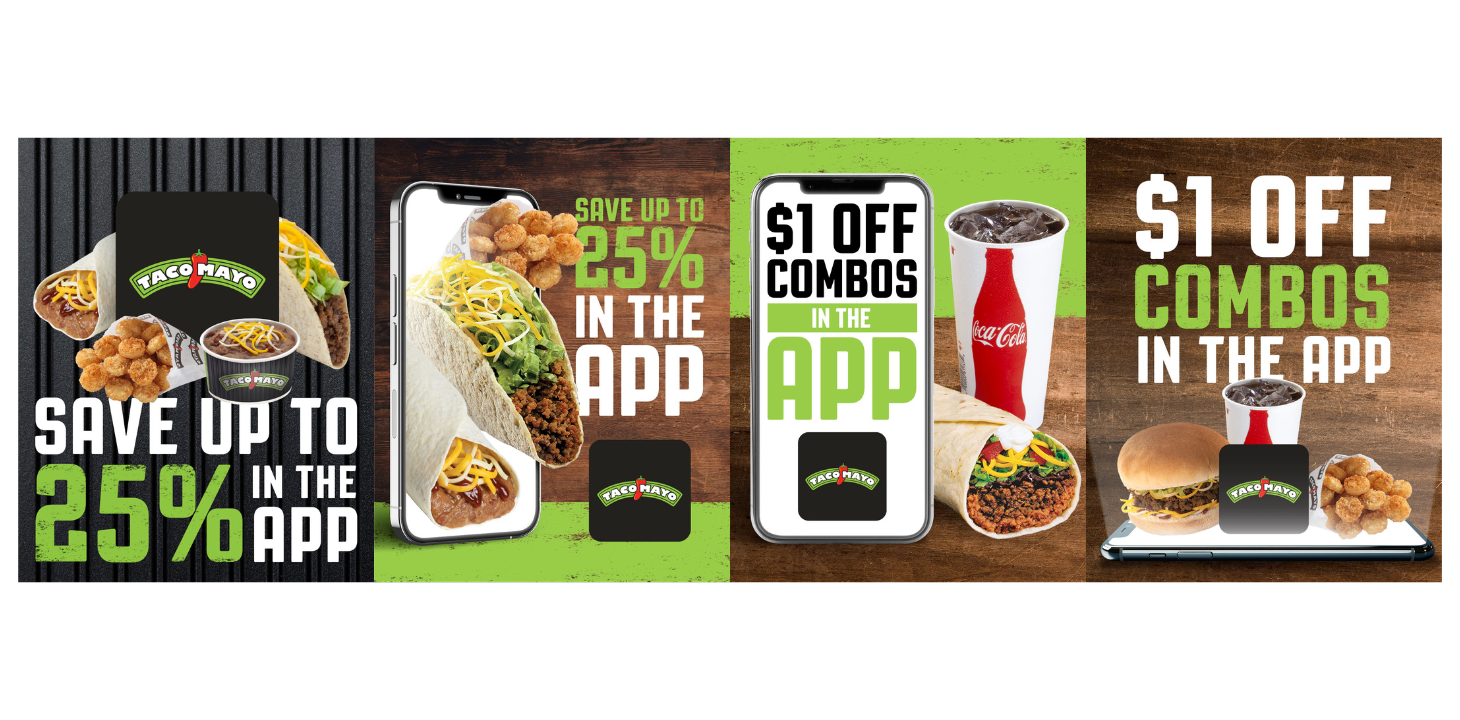
In a recent campaign, we utilized A/B testing to learn about our audience’s interests when it came to utilizing in-app deals. The performance metrics informed our approach to future creative, giving us insight into which audiences are most attracted to certain creative approaches and promotional offerings.
Another recent example featured an A/B test that was about as simple as it gets: orange or purple? But the performance metrics actually led us to some valuable insights that helped shape how we created other assets for the campaign, and opened up the options for tailoring creative specifically to niche portions of our audience.

I recommend you give these approaches a try. Your main offering may already appeal to the majority of your audience, but those outliers aren’t unattainable. If you have a musical movie that you know a skeptical adult male like me will actually like, if only you could get them into the theater… rope them in with another element.
Looking to figure out what drives your audience so that you can serve them content that draws them in? Drop us a line, we’d love to work with you. Next thing you know, you’ll be attracting new customers that you never thought would be loyal to you.