


Google’s AI Overviews are quietly transforming how people search. If you have Googled anything lately, you have probably seen an AI-generated answer sitting at the top of your page providing the exact information you were searching for. While this resolves a decades-long request from users, it is a major shift to a tactic that has always been one of the most stable parts of many advertisers’ strategies.
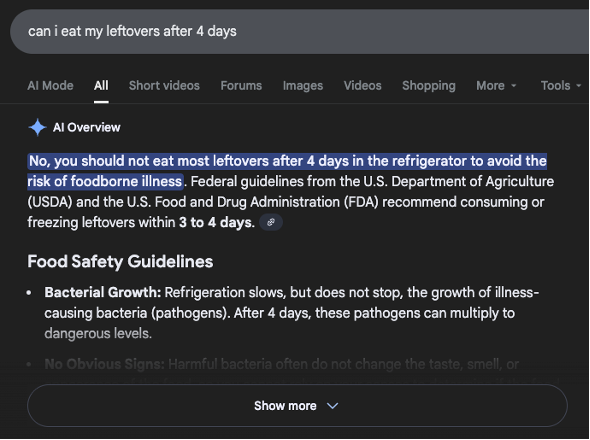
So how has Google addressed this fundamental change to one of their most valuable inventories? They haven’t really addressed it yet.
Instead, what we’re seeing is that Google has used this shift as an opening to roll out new AI-driven products inside their ad platforms. These tools are operationally helpful, but they do not solve the core issue created by AI Overviews. By answering user questions directly on the results page, AI Overviews have pulled users out of the click path and reduced overall search traffic.
Additionally, Google is in the early stages of testing ads inside the AI Overview, and while the placements could be valuable, they currently add more competition for a premium spot and produce murky reporting that makes performance hard to evaluate. [Source]
Search has always been powerful because it is one of the few channels that can appease early curiosity, help people compare options and capture demand once a user is ready to act. But as more queries are answered right on the results page, the need to click drops off almost immediately. Informational queries no longer direct users to a website (or a niche Reddit thread).
With less volume in the top and middle of the funnel, everyone is now fighting for the same small pool of high-intent queries. The drop in traffic weakens the funnel by reducing discovery, lowering conversion volume and limiting the signals needed for effective optimizations. Teams who have relied on search to guide the user journey now have to rethink where the journey even starts. Adapting may mean accepting that top-of-funnel activity must shift outside paid search.
But Search still plays a top-of-funnel role, just not through paid advertising.
Generative Engine Optimization, the cousin of SEO becomes the way in. Rather than bidding on queries that AI answers above your ad, brands can structure website content so Google is more likely to select it for the overview. Clear questions, simple headers, FAQ formatting, confident explanations and real depth make it more likely that your information appears in the AI summary. It is not paid and, like all earned media, not guaranteed, but it can be an effective way to place your voice where users begin their research and position your website and other owned channels like YouTube and Reddit as reliable sources of information.
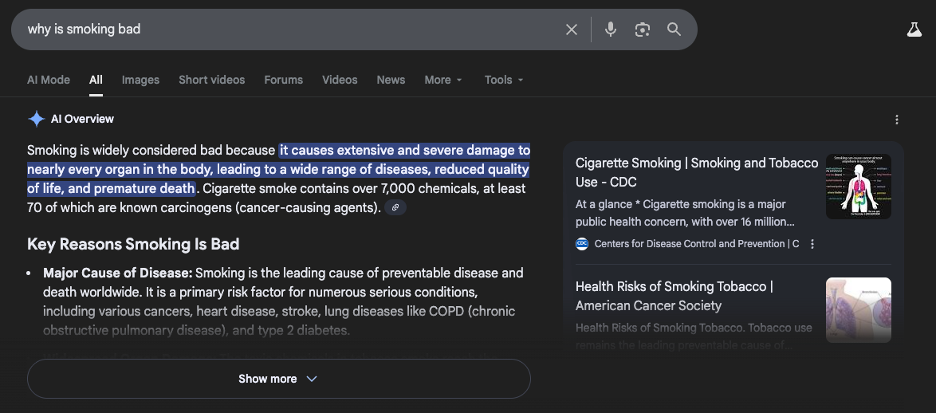
For 2026, the takeaway is this: Paid search is not going away, but AI Overviews are forcing its role to be smaller and more focused. This year, we may see it solely become a bottom-funnel conversion tactic. This is the new search environment, and the teams who adjust early will be the ones who still guide users from curiosity to action as the landscape shifts.
If you’re reassessing your search strategy for 2026, our team can guide you. Learn more about our services.